Picking the right tree trimmer tool in Post Falls, ID comes down to one question: how thick is the branch, and how high up is it? North Idaho's mix of fruit trees, towering ponderosa pines, and heavy winter snow loads means the tool that handles your neighbor's apple tree is often the wrong choice for a 40-foot pine near the roofline. This guide breaks down every option, from hand pruners to chainsaws, with 2026 pricing and the safety rules that matter most here in Kootenai County.
This guide was put together by the crew at CDA Tree & Utility, who handle tree trimming, pruning, and removal calls across Post Falls, Coeur d'Alene, and the Spokane area year-round. On storm cleanup calls across the Rathdrum Prairie, we regularly see homeowners try to tackle wind-snapped pine limbs with a hand saw that was never built for wood that thick, which usually turns a 20-minute job into an afternoon.
Quick Answer: Match the Tool to the Branch
Before you shop, here's the short version. Use this table to narrow your options fast, then read the sections below for the details that matter for your specific trees.
| Branch Diameter | Height Off Ground | Best Tool |
|---|---|---|
| Up to 3/4 inch | Ground level | Hand pruners (bypass style) |
| 3/4 to 2 inches | Ground level to low reach | Loppers |
| 2 to 5 inches | Ground level to ladder height | Pruning saw |
| Up to 8 inches | Up to 15 feet | Pole saw (electric, battery, or gas) |
| 5 inches or more | Any height | Chainsaw |
| Any size, near power lines or structures | Any height | Licensed arborist, not a DIY tool |
Types of Tree Trimming Tools
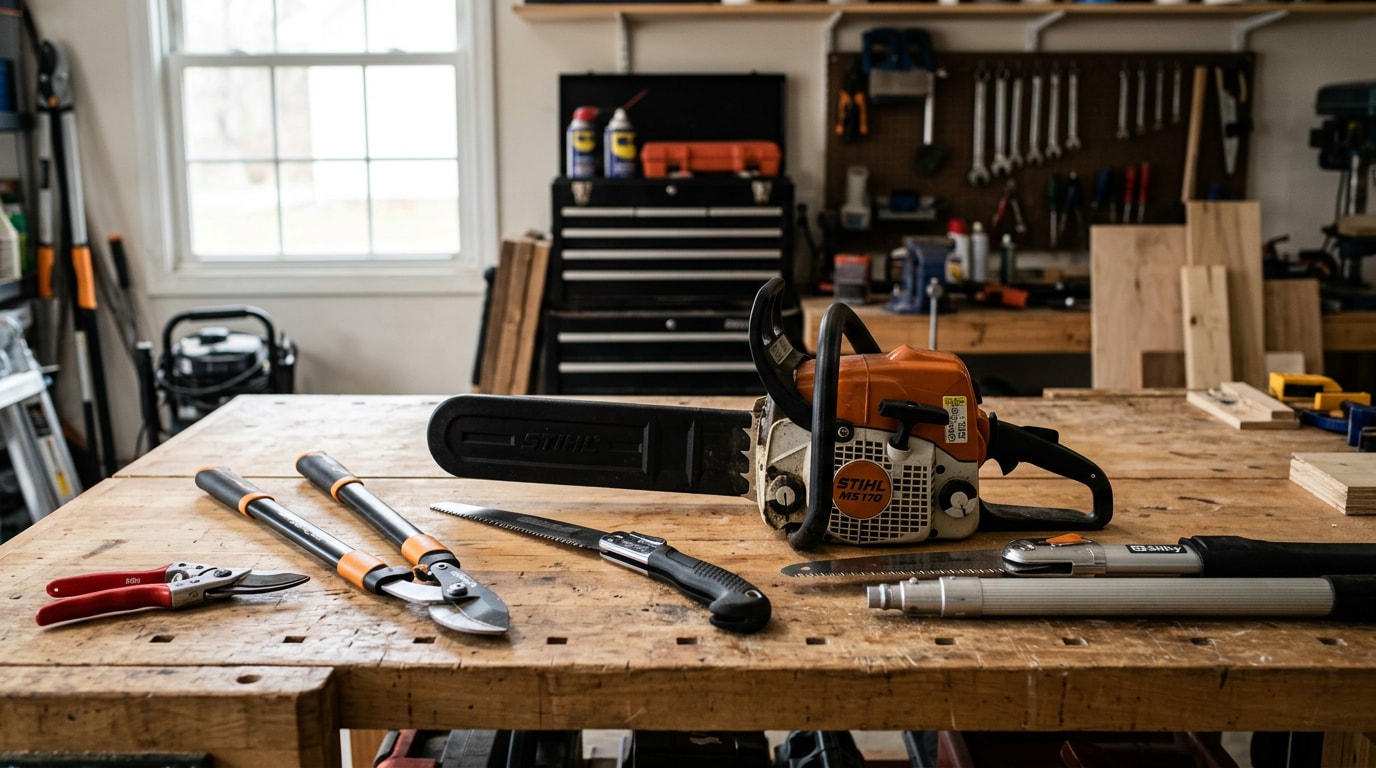
Tree trimming tools range from simple hand pruners to gas-powered chainsaws, and the right pick depends mainly on branch thickness and how far off the ground you're working. Lighter tools handle small, routine cuts, while heavier tools tackle thick limbs or tall canopies.
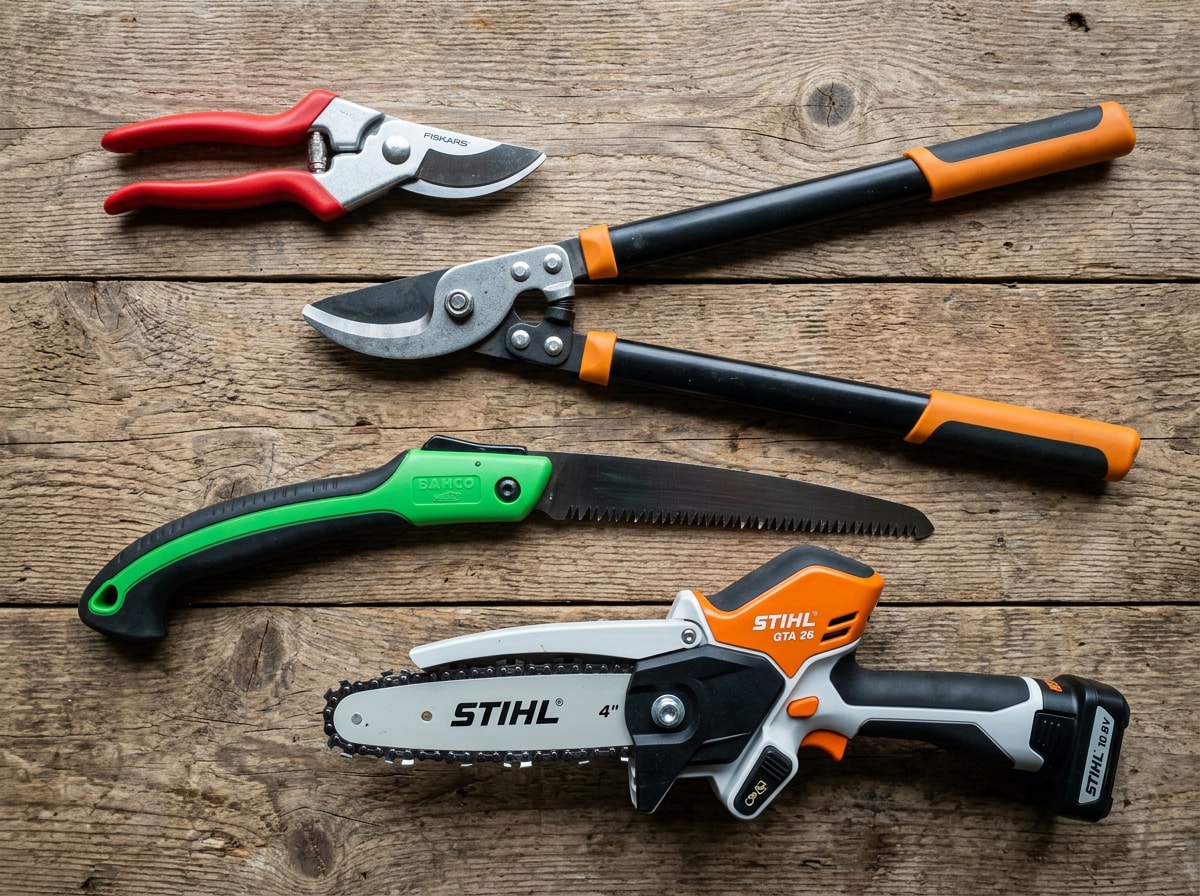
Before buying anything, it helps to see what a professional crew uses for larger jobs. Our Tree Trimming and Tree Pruning service pages outline what's typically included when you hire out instead of DIY-ing it.
Hand Pruners (Pruning Shears)
Hand pruners are best for small branches up to 3/4 inch in diameter, making them the go-to for everyday deadheading and light shaping. There are two main styles: bypass pruners and anvil pruners.
Bypass pruners work like scissors, with two curved blades sliding past each other for a clean cut on living wood. Anvil pruners use a single blade that closes onto a flat surface, which works fine on dead or dry branches but tends to crush live stems. For most homeowners pruning shrubs or young trees, bypass pruners are the safer default.
Loppers
Loppers extend your reach and give more leverage for cutting branches 1 to 2 inches thick. The long handles act like a lever, so you get more cutting force without straining your wrist the way hand pruners can on a thicker stem.
Like hand pruners, loppers come in bypass and anvil versions. Bypass loppers suit live branches you want to keep healthy, while anvil loppers are better for dead wood removal. Once a branch feels too thick or stiff for hand pruners, it's time to size up to loppers rather than forcing the cut.
Pruning Saws
A pruning saw is a must-have for removing thicker branches that loppers cannot cut, with sharp curved or straight blades for quick, smooth cutting. Folding saws tuck away safely when not in use, making them convenient for carrying up a ladder or into a tree.
Curved blade saws cut on the pull stroke and tend to move faster through green wood, while straight-blade models give more control on precise cuts. Either style typically handles branches from about 2 to 5 inches thick before a chainsaw becomes the more practical choice.
Pole Pruners & Pole Saws
An electric pole saw is lightweight and can cut branches up to 15 feet high and about eight inches thick, covering most mid-canopy work without a ladder. But "pole saw" actually covers several distinct tool types, and the differences matter more than most buying guides let on.
- Manual pole pruners use a rope-pulled cutting head. Cheap, quiet, no battery, but they tire your arms fast on repeated cuts.
- Telescopic electric pole saws extend to roughly 10 to 15 feet and run $70 to $200, balancing power and weight for homeowners.
- Battery-powered pole saws offer similar reach with more portability but shorter runtime per charge, typically $100 to $250.
- Gas pole saws reach similar heights with more cutting power for thicker limbs, but they're heavier, louder, and run $200 to $400, better suited to larger lots or frequent use.
Chainsaws (Branch Cutters & Chainsaws)
Gas chainsaws can cut through the toughest wood and run for longer periods but cost more and weigh more; electric chainsaws burn cleaner, run quieter, and are lighter but aren't as powerful. For homeowners dealing with downed limbs after a windstorm, that tradeoff matters.
Battery chainsaws split the difference, offering cordless convenience with decent power for mid-sized jobs, though battery life limits continuous cutting. Gas chainsaws remain the choice for large hardwood or frequent heavy use, while electric and battery models suit lighter, occasional trimming closer to the house.
Hedge Trimmers & Shears
Hedge trimmers and shears aren't built for structural tree limbs. They're for shaping shrubs, ornamental hedges, and formal garden edges. Long, serrated dual-action blades let you trim a flat, even surface across a hedge line quickly, something pruning saws or loppers can't do efficiently.
If your project is more about shaping shrubs than removing tree branches, a hedge trimmer saves significant time over hand shears. Check our ornamental pruning guide for the region for technique tips that apply equally in Post Falls.
Handsaw
A basic handsaw works well on small trees and saplings where a full pruning saw or chainsaw is overkill. It's a handy backup tool for thin trunks or quick cuts when precision matters more than speed.
Specialized Arborist Tools for Bigger Jobs
Licensed arborists use a tier of equipment most homeowners never need: climbing ropes, harnesses, and rigging systems that let a crew safely lower cut limbs instead of dropping them. This rigging equipment also controls the direction and speed of a falling branch, which matters near structures or power lines.
Professional-grade jobs often bring in stump grinders and chippers too. If your project starts sounding like it needs this level of gear, it's usually a sign to call in help rather than buy more tools. Our Tree Removal and Arborist services pages cover what that process looks like for Post Falls properties.
Choosing the Right Tool for Your Trees
Picking the right tool starts with four questions: how thick are the branches, what kind of tree is it, how high up is the work, and how often will you use the tool. Answering these before you shop keeps you from under-buying or overspending.
Consider Your Tree Type and Size
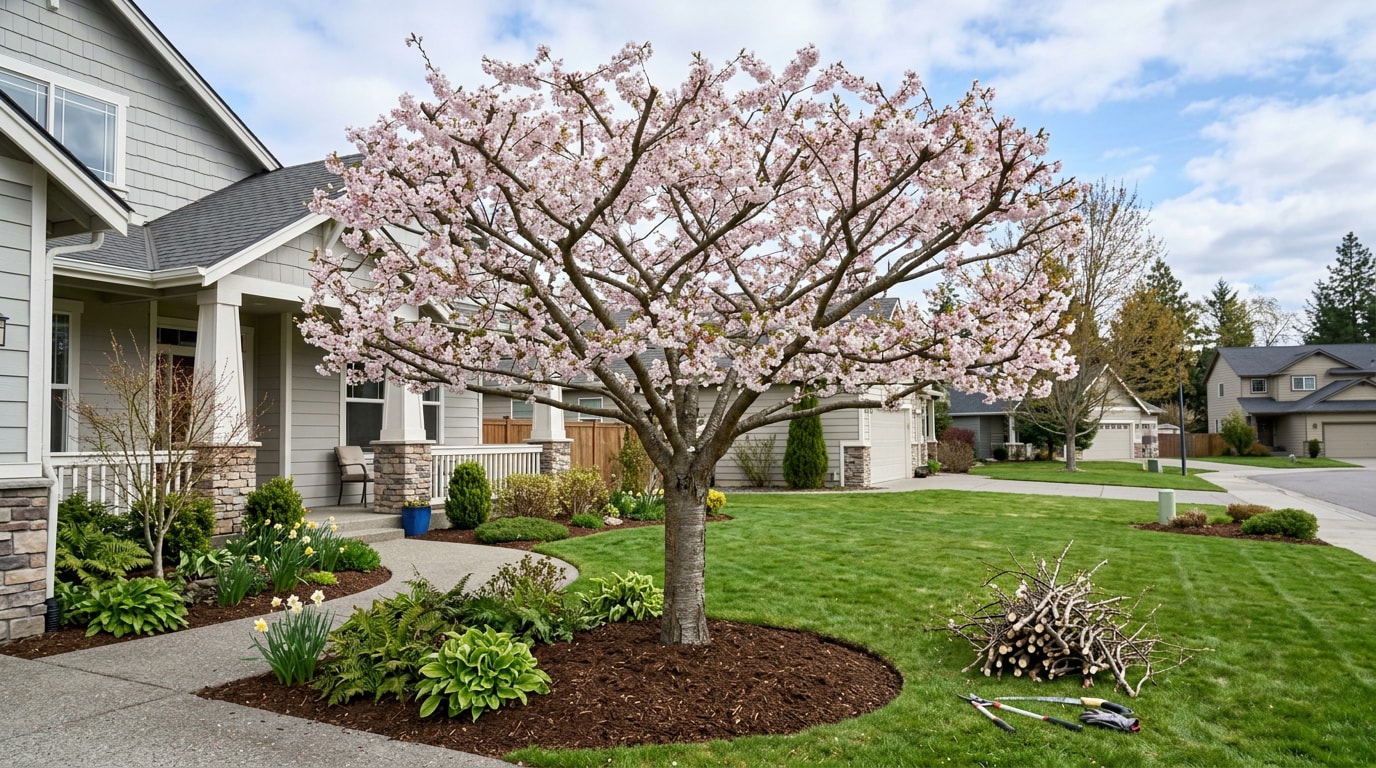
Soft-wood fruit trees (apple, pear, cherry) generally respond well to hand pruners and loppers since their branches are thinner and easier to cut cleanly. Hardwoods like maple, oak, and elm demand tougher gear: heavy-duty loppers, chainsaws, or telescopic saws built for denser wood and taller canopies.
Conifers need their own approach. University of Idaho Extension guidance notes that as much as one-third of the crown of a full-crowned evergreen can be removed without affecting the tree's vigor , which is useful to know before you start cutting back a wind-leaning pine. A fruit tree pruned with a chainsaw risks unnecessary damage, while a mature oak limb will simply shrug off hand pruners.
Safety Rules Every Post Falls Homeowner Should Know
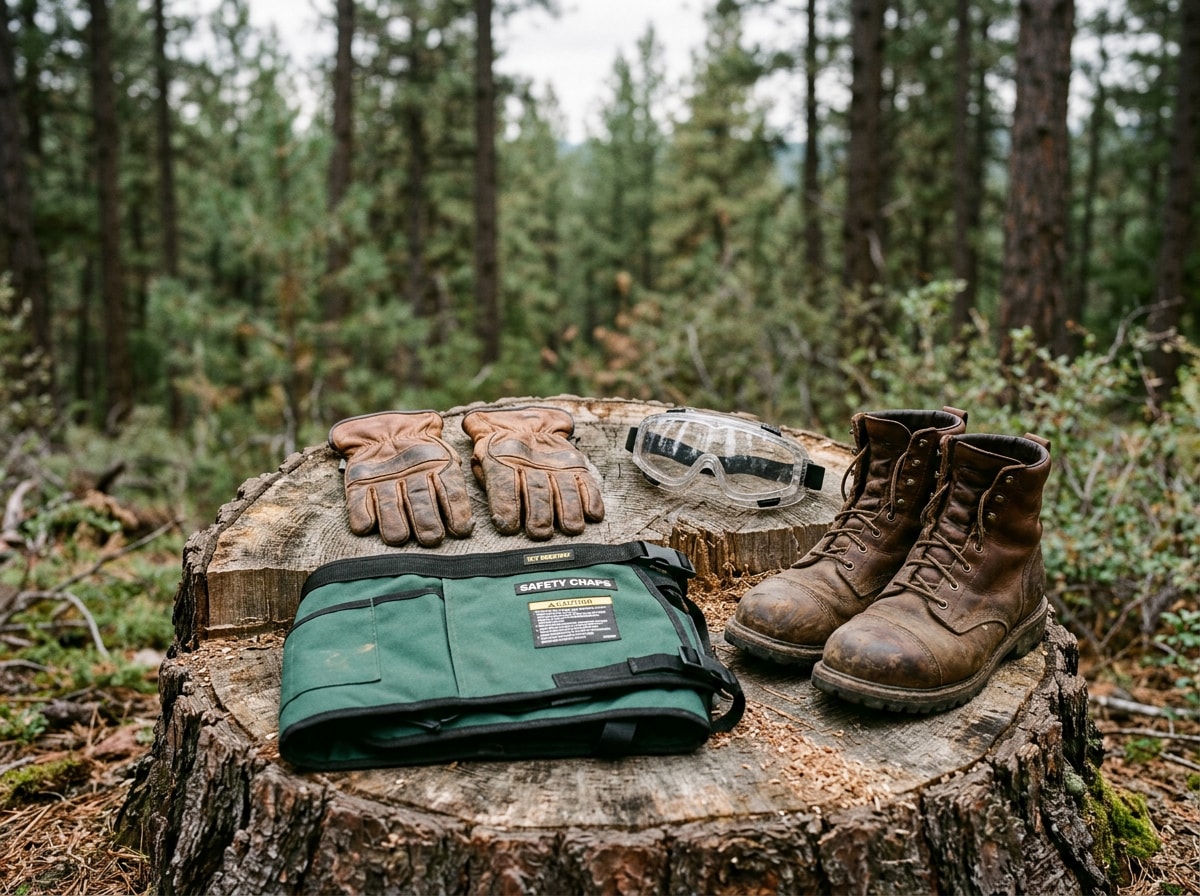
Ergonomic grips reduce hand fatigue, but the real safety factor is proper protective gear. Protective equipment for eyes, face, head, and extremities, along with protective clothing, must be provided and kept in sanitary, reliable condition wherever a job exposes workers to hazards capable of causing injury . For a homeowner, that translates to work gloves, safety goggles, sturdy boots, and, for chainsaw use, cut-resistant chaps.
North Idaho adds its own hazards. Heavy snowpack and Rathdrum Prairie winds put real load on unpruned crowns , which means branches can be holding more tension than they look like they are. Power lines are the other major risk, since many Post Falls properties have overhead service drops running directly through tree canopies.
All tree trimming or removal work within ten feet of a power line must be done by trained and experienced line-clearance tree trimmers , according to OSHA's tree trimming safety guidance. The agency's guidance also instructs crews to assume every power line is energized unless the utility has confirmed otherwise. If a branch is anywhere near a service drop, that's not a DIY job, full stop.
Maintaining Your Tree Trimming Tools
Sharp, clean blades cut better and protect tree health. Sharpening pruners and saw blades regularly keeps cuts clean, which heals faster than a ragged, torn cut from a dull edge.
- Wipe blades after each use to prevent rust.
- Disinfect blades with rubbing alcohol between trees to avoid spreading disease from one plant to another.
- Oil pivot points on pruners and loppers so they don't bind mid-cut.
- Store chainsaw chains loosely to avoid warping between uses.
Where to Buy or Rent Tree Trimming Tools in Post Falls
Many homeowners prefer renting instead of buying, and both electric and cordless options are available from major retailers and local rental programs. Renting makes sense for a one-time storm cleanup or seasonal shrub trim, while frequent users, or anyone with a large wooded lot in Kootenai County, usually save money owning their own gear long-term.
Home improvement stores carry most hand tools and electric options on the shelf, while heavier gas equipment is often easier to rent short-term than store. If you're weighing rent-versus-buy for a specific Post Falls property, our service area page has more on what local crews typically bring to a job, and our Tree Trimming Tool guide for Spokane Valley digs deeper into rental versus purchase math if you want the full breakdown.
2026 Budget & Availability
Here's a rough 2026 price range for common tree trimming tools:
| Tool | Typical Price Range |
|---|---|
| Hand pruners | $15–$40 |
| Loppers | $25–$60 |
| Pruning saw | $20–$50 |
| Pole saw (electric/battery) | $70–$250 |
| Pole saw (gas) | $200–$400 |
| Chainsaw (electric/battery) | $100–$300 |
| Chainsaw (gas) | $150–$500 |
Compare that against professional work: a routine trim typically costs far less than buying a gas chainsaw you'll use twice a year. For bigger or riskier jobs, a few quality hand tools plus the occasional free estimate usually beats owning equipment that sits in the garage most of the year.
When to Call a Professional
Some jobs go beyond what any tree trimmer tool can safely handle: tall trees near power lines, storm-damaged limbs under tension, or trunks too large for a homeowner chainsaw. That's when it's time to call a certified arborist rather than risk a ladder and a gas chainsaw alone.
The ISA Certified Arborist credential is accredited by the ANSI National Accreditation Board for meeting internationally recognized certification standards , and earning it requires a minimum of three years of full-time arboriculture experience, or a combination of education and practical experience , which is worth checking before hiring anyone for large or hazardous tree work. You can review the ISA's credential standards directly before signing a contract.
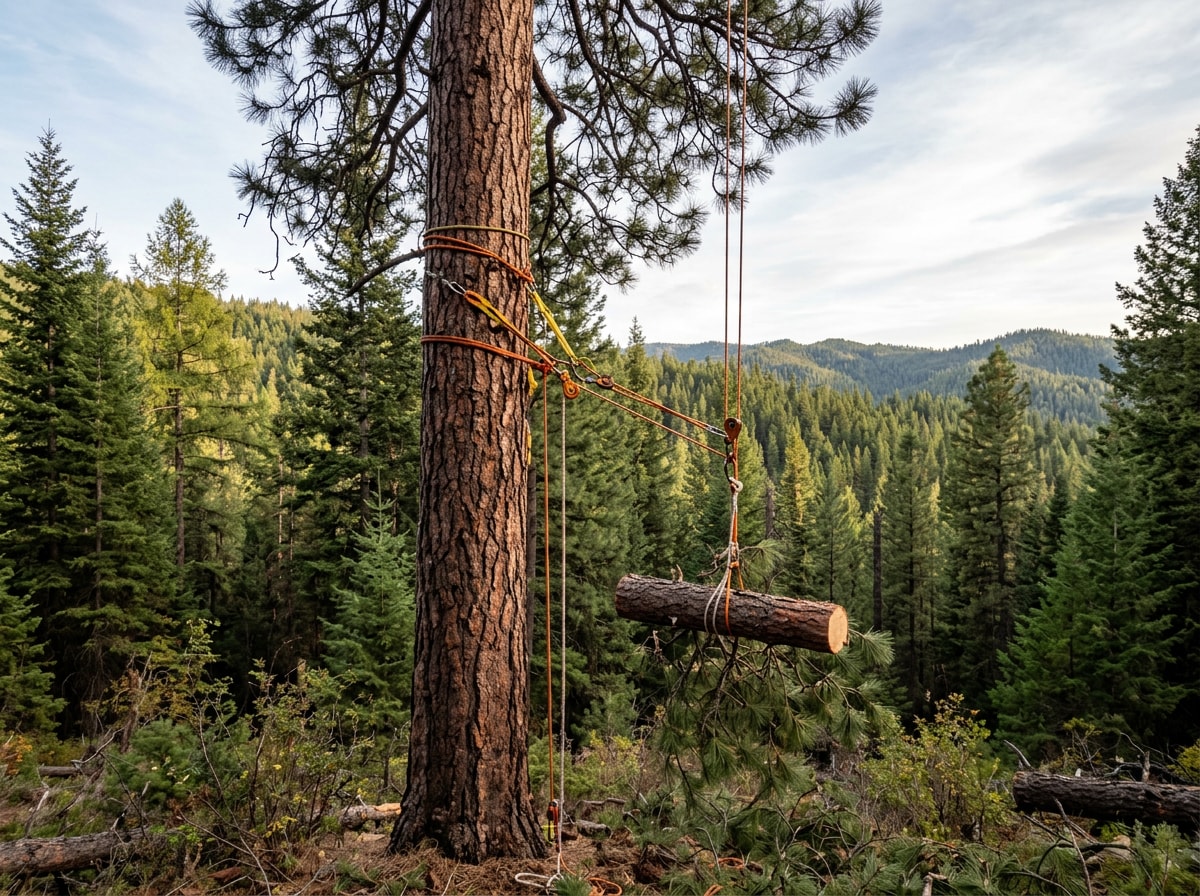
Our Hazard Tree Removal and Tree Removal pages cover what to expect from a professional crew, and you can see examples of completed work on our projects page. When a job is bigger than your toolbox, get a free estimate before you buy a tool you'll only use once.
FAQ
What is the best tool for trimming trees?
The best tool depends on branch size: bypass pruners or loppers for small branches, pole saws or chainsaws for thicker branches, and a professional for very high limbs. There's no single "best" tool, just the right one for the branch in front of you.
What are the most common tree trimming tools?
The core toolkit most homeowners and pros rely on includes hand pruners, loppers, pruning saws, pole pruners, and pole saws. Together, these cover nearly every branch size from twigs to mid-sized limbs.
Which tool is best for small live branches?
Bypass pruners outperform anvil-style blades on small live branches because their scissor-action cut doesn't crush the stem. A clean bypass cut heals faster and reduces stress on the surrounding living tissue.
Can a homeowner use pole pruners safely?
Yes, with precautions: clear the drop zone below, stay well away from power lines, and always operate the pole with two hands for control. If the branch is near a utility line or over a roof, it's safer to call a professional instead.
How much does it cost to rent a pole saw or chainsaw in Post Falls, ID?
Electric and battery pole saws typically rent for less per day than gas models, and most hardware and equipment rental stores in the Post Falls and Coeur d'Alene area stock both. If the rental cost starts approaching a day of professional labor, it's often cheaper to just request a quote and let a crew handle it.
Is it legal to trim trees near power lines yourself in Idaho?
No utility or OSHA guidance allows an untrained homeowner to trim within 10 feet of an energized power line. That work is reserved for trained line-clearance tree trimmers, and the safe move is to contact your utility or a licensed tree service rather than attempt it with a pole saw.