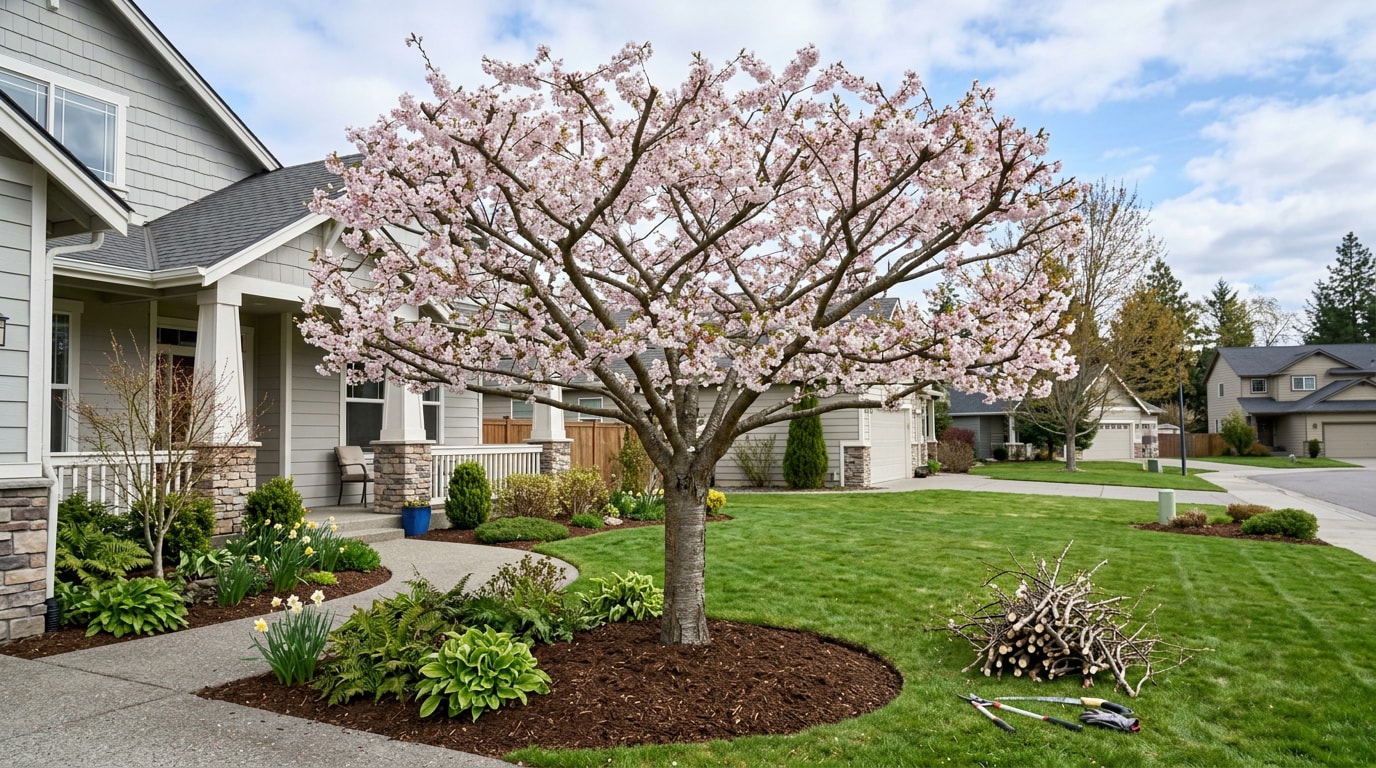
Ornamental tree pruning in Spokane Valley, WA is a different skill set than trimming fruit trees or shearing hedges. It's a specialized practice for trees valued for their form, foliage, or seasonal bloom, think flowering cherries, dogwoods, and Japanese maples that anchor a front yard. Done at the wrong time or with the wrong cuts, it can cost you a season of blooms or weaken the tree for years.
What Makes Ornamental Pruning Different
The goal is twofold: shape the tree for lasting visual appeal while removing dead or diseased wood before it spreads. Unlike fruit trees pruned for yield, flowering trees are cut to highlight natural branching and bloom patterns.
Every species grows differently, so a one-size-fits-all schedule doesn't work. Deciduous ornamentals often need annual or biannual attention, while evergreens can go longer between visits since growth is slower. On our Spokane Valley job sites, we regularly see young flowering plums and crabapples with codominant stems competing for dominance, a structural issue that only shows up when you look closely at the branch collar, not from the curb.
Benefits of Professional Ornamental Tree Pruning
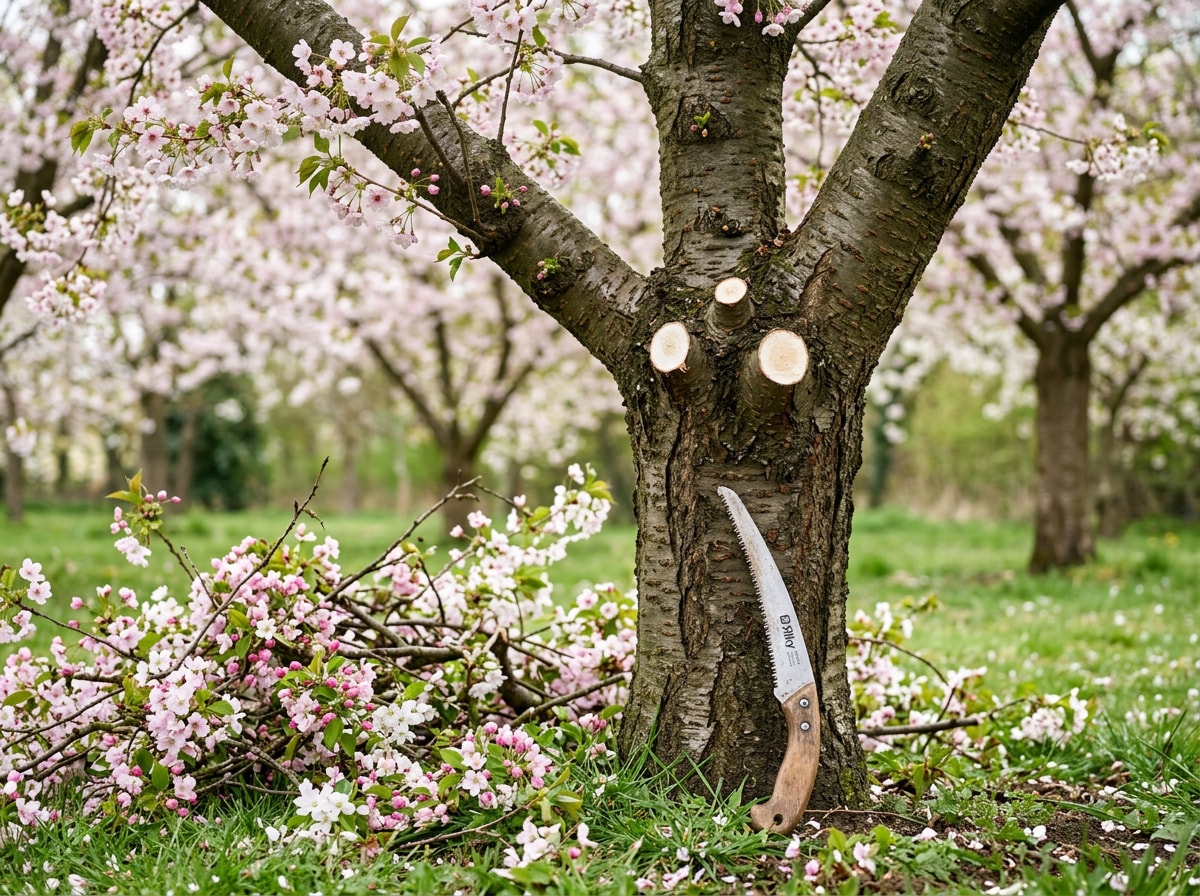
Done well, pruning delivers better plant health, improved shape, and fewer pest problems, plus a real boost in curb appeal. It also protects your property. Spokane Valley sees periodic windstorms and heavy winter snow loads, and weak or overextended limbs are the first to fail when conditions turn.
University research backs this up directly. Structural pruning by reducing the length of or thinning weak or poorly attached branches, overextended branches, or the longest branches in the crown minimizes the likelihood of failure and improves tree architecture, which reduces damage in a storm. In other words, a $300 pruning visit this winter is cheaper than an emergency callout after a windstorm.
The Tree Pruning Process
A professional visit typically starts with an assessment, moves into a pruning plan, and finishes with the actual cuts.
Assessing your tree's health. A thorough inspection checks for disease, pests, weak limbs, and structural concerns before any cuts happen. This lets our arborist team build a plan that supports long-term stability, not just a nicer-looking canopy this season. For trees with visible dieback or unclear health issues, a standalone tree health consultation or formal tree assessment can happen before pruning is even scheduled.
Building the plan. Different ornamental species call for different techniques, thinning, structural correction, or hazard removal. Choosing the right cut matters as much as making a clean one, which is why our tree trimming services and dedicated tree pruning crews tailor technique to species and condition rather than running every tree through the same cut list.
Pruning Techniques Used on Ornamental Trees
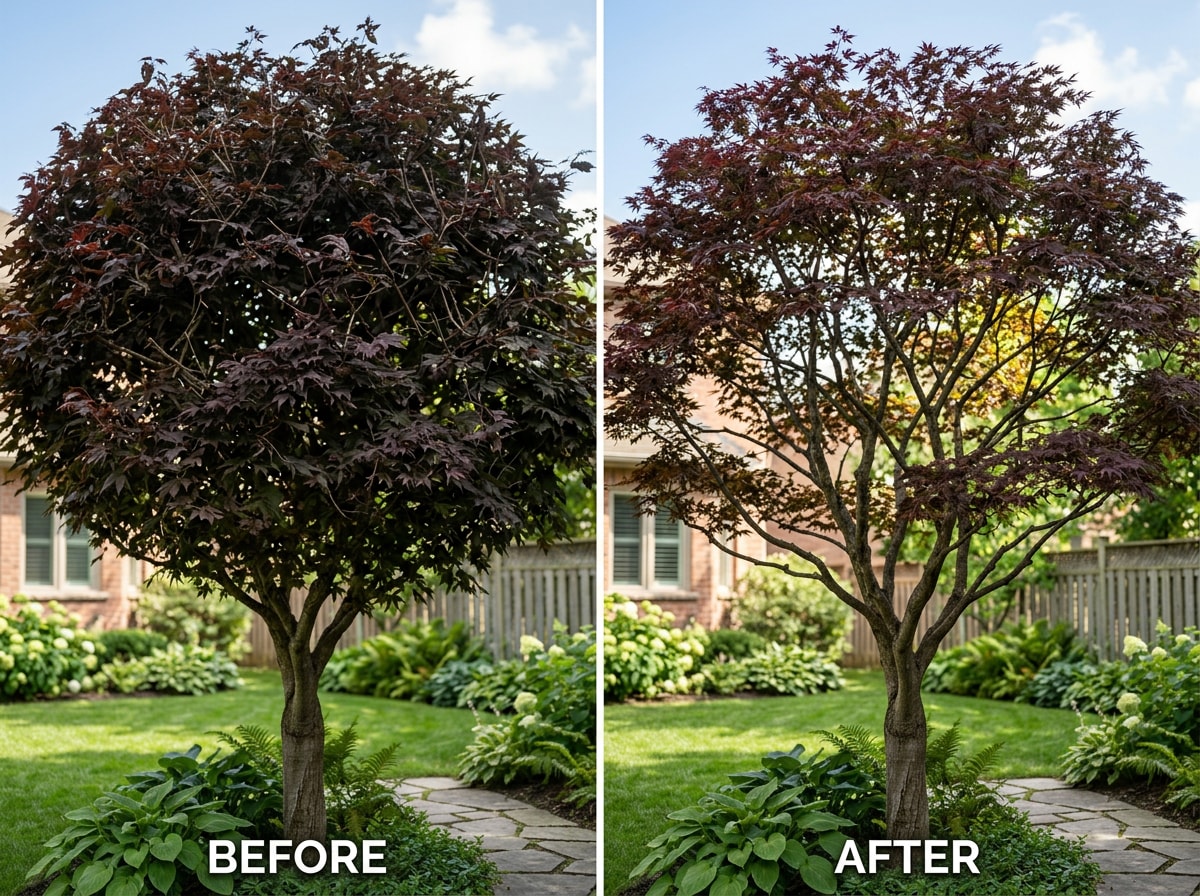
- Crown thinning selectively removes branches through the canopy to improve airflow and sunlight penetration. Better airflow reduces wind resistance, lowering storm-damage risk during Spokane's gustier seasons.
- Hazard limb removal targets large, cracked, or overextended branches that could fail during storms or high winds, protecting the home and yard while keeping the tree's overall health and appearance intact.
- Crown cleaning strips out dead or diseased wood before it spreads further into the canopy.
- Structural pruning corrects branch spacing and weight distribution so no single limb is carrying more load than it can handle.
- Subordination cuts reduce competing leaders so one main trunk stays dominant. On a mature Japanese maple, a subordination cut might shorten a rival stem so the central leader keeps its natural, tiered shape.
These cut types aren't arbitrary; they follow the ANSI A300 pruning standard, the recognized benchmark for professional tree care in the U.S. Ask the arborist if they prune according to the American National Standards Institute standard for tree pruning, called ANSI A300, which recommends specific tools, cutting techniques, and pruning methods along with standard definitions used in a written estimate. If a bid doesn't reference a cutting standard at all, that's worth asking about before you sign off.
Tree Health Issues We Catch While Pruning
A pruning visit doubles as a health check. Arborists look closely for insects, fungi, and infections that can stunt or kill growth, catching these early enough to treat or remove affected branches before damage spreads. In the Inland Northwest, timing also matters for pest avoidance, not just aesthetics; cutting into certain species during active insect flight season can attract pests to the fresh wound rather than keep them away.
Best Time of Year to Prune Ornamental Trees in Spokane Valley
Washington State University's Spokane County Extension office, which runs the local Master Gardener program, is a useful local reference point here. For most mature trees, pruning should be done during the dormant season before bud break, and should always be performed sparingly for health, appearance, and strength.
Never remove more than 30% of the tree canopy at any one time.
That generally puts the best window for Spokane Valley ornamentals in late February through March, once the hardest freezes have passed. The regional WSU Extension handbook adds an important nuance for anyone with a birch on the property: adult bronze birch borer beetles are in flight searching for stressed trees from late April through mid-July and are attracted to fresh pruning cuts, so homeowners can avoid a potentially lethal infestation by not pruning during that window.
Flowering cherries and crabapples do well with dormant-season timing, while Japanese maples tolerate light shaping just after budbreak. Summer is reserved for deadwood removal or storm cleanup, and fall is mostly for inspection rather than heavy cutting. Check our Spokane Valley service area page for local scheduling notes.
What Pruning Costs in Spokane Valley
Pricing varies a lot by source and by tree, so treat any number as a starting point, not a quote.
| Tree Size | Typical Visit Scope | Rough Price Range* |
|---|---|---|
| Small ornamental (under 15 ft) | Light shaping, deadwood removal | $150 - $350 |
| Medium ornamental (15-30 ft) | Crown thinning, structural correction | $300 - $600 |
| Large shade-ornamental (30+ ft) | Full structural pruning, hazard limb removal | $500 - $900+ |
*Estimates only. Final pricing depends on tree condition, access, and crew time on-site. For a full cost breakdown by job type, see our guide to average tree trimming costs in Spokane.
Following proper pruning standards now also saves homeowners from costly rehabilitation pruning later. That's why getting a second opinion before cutting corners on price usually pays off.
Get a Free Estimate
A trained arborist can safely prune trees of any size or shape, spotting problem areas a DIY job would miss. If you're ready to get your ornamental trees on a proper pruning schedule, request a free estimate and we'll put together a plan specific to your trees and property. You can also browse our full range of tree services to see how pruning fits alongside removal, stump work, and storm response.
Prepared by the CDA Tree Service arborist team, ISA-trained crews serving Spokane Valley, Spokane, Coeur d'Alene, and Post Falls. Questions about a specific tree? Contact us and we'll walk through it with you.
FAQ
What is the best time of year to prune ornamental trees?
Late winter, roughly February through March, is generally best for deciduous ornamentals. Pruning is easier without foliage in the way, and disease or insect pressure is lower during this dormant stretch. Birches are an exception; avoid cutting them from late April through mid-July when borer beetles are active.
How often should ornamental trees be pruned?
Most ornamental trees do well with pruning every one to two years. Young trees may need more frequent shaping to correct structure early, while mature specimens typically need less frequent attention.
What's the difference between tree trimming and tree pruning?
The terms get used interchangeably, but they're technically different. Pruning selectively removes branches to improve health and structure, while trimming is general maintenance focused on size and shape.
How much does tree pruning cost in Spokane Valley?
Small ornamentals typically run $150-$350, medium trees $300-$600, and larger shade-ornamentals $500-$900 or more, depending on condition and access. Treat this as a planning range, not a quote, and request a free on-site estimate for exact pricing.
Do I need a permit to prune a tree in Spokane Valley?
Routine pruning on your own property generally doesn't require a permit. Permit rules can apply to tree removal or work near protected trees, streets, or utility easements, so check with your local jurisdiction if you're unsure before major cuts.
Can pruning really reduce storm damage?
Yes. Removing weak, overextended, or poorly attached limbs reduces the leverage wind can exert on a branch, which lowers the odds that branch fails during a storm. It won't storm-proof a tree, but it measurably reduces risk.