Typing "arborist near me" usually means you're already looking at a problem tree: one that's leaning, dropping branches, or showing dead wood after a windstorm. A tree consultation in Post Falls, ID gets you a documented, professional answer before you pay for the wrong fix. Here's exactly what that visit includes, what it costs, and when it actually needs to happen today instead of next month.
What's Included in a Post Falls Tree Consultation
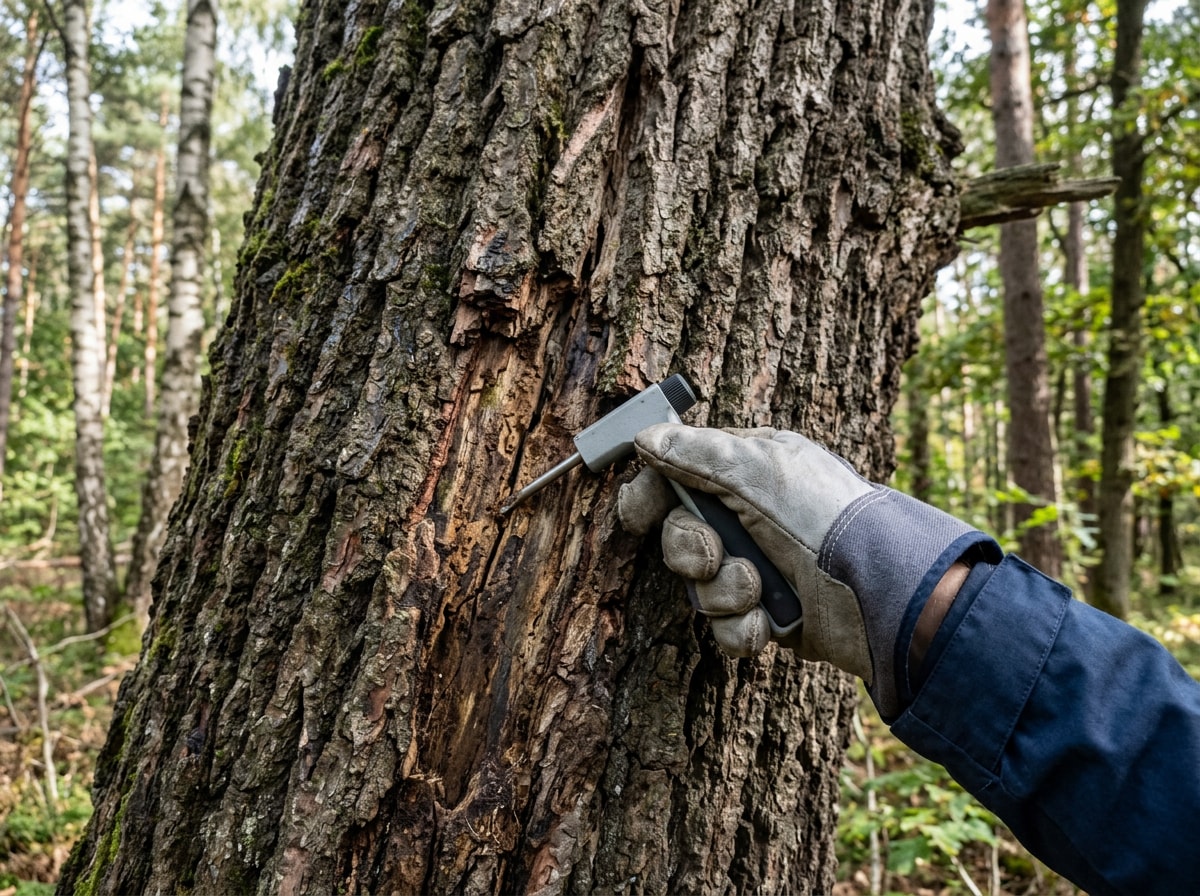
An arborist consultation is an on-site visit where a certified professional inspects a tree's health and structural safety, then delivers a written report with prioritized recommendations.
A typical visit follows this sequence:
- Walkthrough — the arborist tours the property with you and flags visible concerns first.
- Close inspection — branch unions, bark texture, and root flare get checked for cracks, cavities, or decay.
- On-site discussion — you get a verbal summary and time to ask questions before they leave.
- Written report — within a few business days, you receive a formal tree risk assessment with findings and a recommended timeline.
This structure mirrors the risk-assessment approach taught through the ISA Tree Risk Assessment Qualification program, which is a voluntary qualification program designed to train and assess candidates in a specialized field of arboriculture, offering tree care professionals the opportunity to expand their knowledge of tree risk assessment through a standardized, systematic process . That credential is worth asking about specifically, because it's not the same as a baseline arborist certification (more on that below).
A quick homepage visit shows the full range of services available if your tree ends up needing more than a diagnosis.
Signs You Should Schedule a Tree Consultation Now
Some signs mean "get on the schedule this month." Others mean "call today." Routine signs include:
- Dead or sparse branches scattered through the canopy
- A trunk lean that's new or getting more pronounced
- Deep bark cracks or peeling bark
- Small holes or sawdust-like frass at the base
- Thinning foliage compared to last season
Urgent signs mean the tree qualifies as a hazard tree and shouldn't wait:
- Sudden storm damage or a split trunk
- A tree leaning toward a house, driveway, or power line after wind
- Root plate movement or heaving soil at the base, which usually means the root system is failing
In practice, the root flare check is where urgency gets decided. A tree that's leaning but has a solid, undisturbed root base is a different conversation than one where the soil around the trunk is cracked or lifted. If you're unsure which category your tree falls into, treat the uncertainty itself as a reason to call rather than wait. If the issue is already urgent, go straight to hazard tree removal or storm tree cleanup instead of waiting for a routine slot.
What Does an Arborist Actually Do?
An arborist diagnoses tree health, evaluates safety risk, and recommends the next step, whether that's pruning, treatment, or removal. Not all credentials carry the same weight, so it's worth knowing the difference before you book:
- ISA Certified Arborist® —
has demonstrated a working knowledge of tree care fundamentals including pruning, health assessment, and removal.
- ISA Tree Risk Assessment Qualification (TRAQ) — a specialized add-on credential.
A standard certified arborist can assess general tree health, but TRAQ adds a structured risk evaluation framework that carries more weight legally and with insurers.
That distinction matters if your situation involves an HOA dispute, a boundary tree, or anything that might end up in front of an insurance adjuster. Our tree assessment and tree health consultation services are built around that structured documentation, not a quick guess from the curb.
Tree Services That Follow a Consultation
Think of the consultation as the diagnosis and these services as the treatment:
| Service | When It's the Right Call |
|---|---|
| Tree Pruning | Structural shaping, disease control, canopy health |
| Tree Trimming | Clearance from structures, lines, or walkways |
| Tree Removal | Tree is dead, hazardous, or beyond saving |
| Dead Tree Removal | Standing dead wood near a structure or path |
| Stump Removal | Grinding out what's left after a removal |
If you're also wondering about pruning cadence for established trees, our guide on tree trimming near me in Post Falls, ID breaks down typical timing and cost expectations.
Why Post Falls Trees Need Local Arborist Knowledge
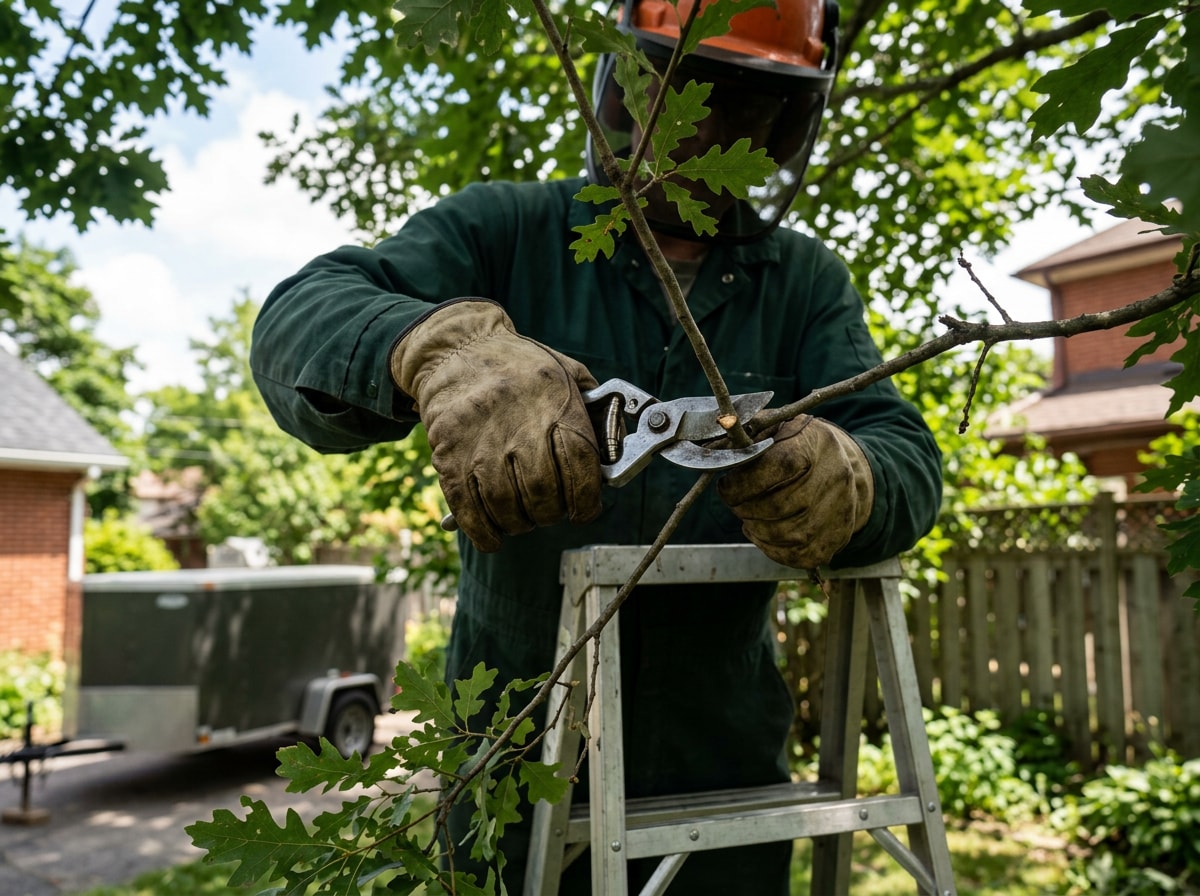
Kootenai County's clay-heavy soil, cold winters, and mix of ponderosa pine, Douglas fir, and western red cedar create conditions a generalist crew from out of the area won't necessarily recognize on sight. Local experience with drainage patterns, wind exposure, and seasonal pest cycles shapes which recommendations actually hold up here.
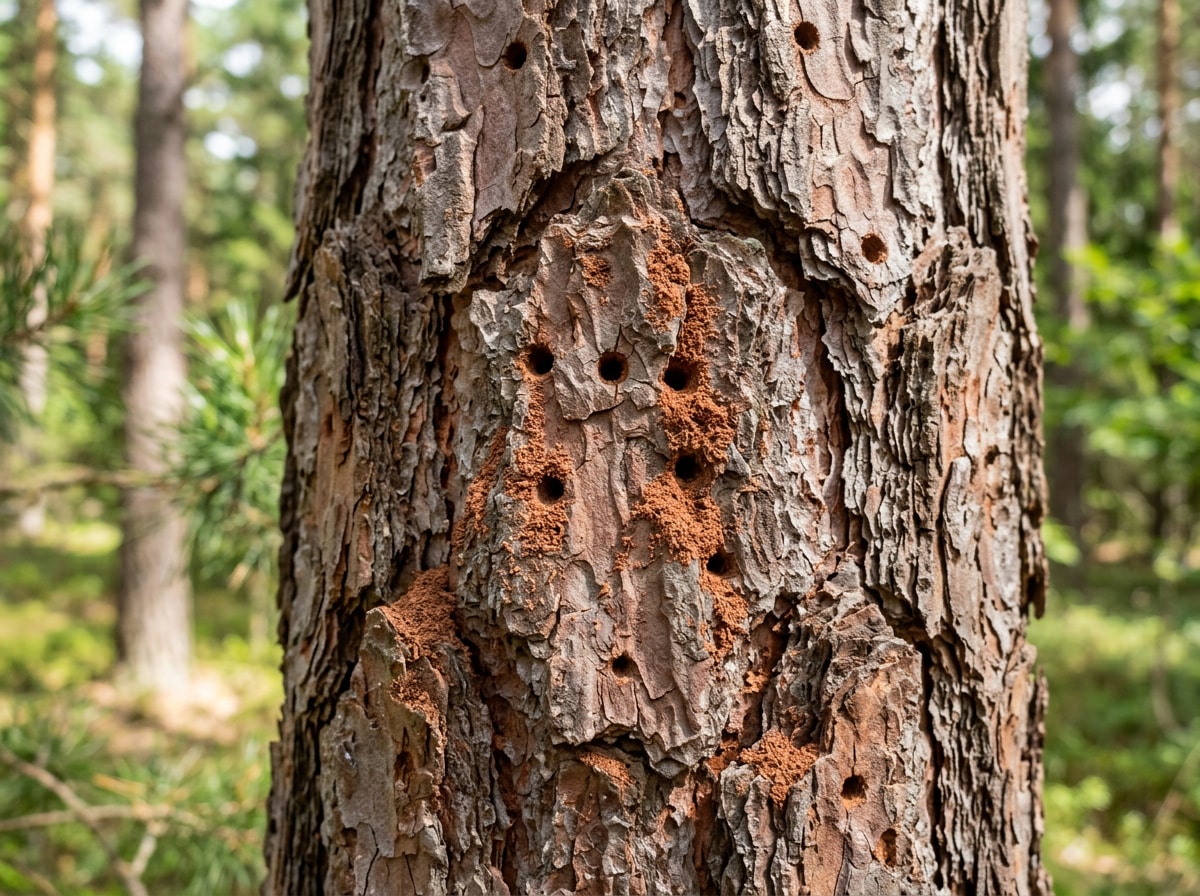
Pest pressure is a good example. Ips beetles, sometimes known as "engraver beetles," are bark beetles that develop under the bark and tunnel through the tree, damaging and killing pine and spruce trees.
They usually attack trees that are weakened by stressors such as drought, injury, and disease — which is exactly why a consultation includes a pest and disease screening on every visit, not just a structural check. These problems are easy to miss without training, especially in neighborhoods where conifers grow close together. For a closer look at identification, the University of Idaho Extension's Ips beetle resource covers regional signs and prevention.
The Arborist Report: What's In It and Why It Matters
A finished arborist report typically documents:
- Species and estimated age
- Trunk and branch structural condition
- Any signs of decay, pest activity, or disease
- A risk rating with specific, non-vague findings
- A recommended timeline for action
This document is frequently the exact paperwork a city permit office or an HOA review board asks for before approving removal or major work. Many providers help you navigate that approval step as part of the consultation, rather than leaving you to decode the requirements on your own. When you're comparing providers, ask these questions before you sign anything:
- What certification does the inspecting arborist hold, and can they verify it?
- Does the report include a specific risk rating, or just general observations?
- How long after the visit does the written report arrive?
- Is insurance coverage current for both property damage and worker injury?
- If it's a "free consultation," is that a quick walk-around or a full written assessment?
Ready to get one scheduled? Request a consultation and we'll walk the property with you before recommending anything.
Post Falls Arborist Pricing: What Affects the Cost
There's no flat rate for arborist work because too many variables change the job:
| Factor | How It Affects Cost |
|---|---|
| Tree size & species | Larger, denser hardwoods take longer to assess and treat |
| Access | Fenced yards, slopes, or tight side-yards add time |
| Equipment needed | Rigging or crane work changes the scope significantly |
| Debris volume | More cleanup means more labor and disposal time |
| Permit requirements | City or HOA approval steps can add turnaround time |
Consultation pricing tends to be more predictable than full removal cost, since it doesn't involve heavy equipment or multi-day labor. For an exact number, request a quote specific to your property. Post Falls pricing varies enough between lots that generic online averages aren't that useful on their own.
Tree Removal Rules in Post Falls You Should Know
Rules depend on where the tree sits. All tree removals on public property must be approved by the director , which matters if your tree sits near a right-of-way or city easement rather than fully on private land. The city's Street Tree and Urban Forestry regulations fall under Post Falls Municipal Code Chapter 12.32 , and the city's Parks, Recreation, and Urban Forestry Commission handles related appeals.
Boundary trees shared with a neighbor's property often require their consent before removal, and trees near utility lines may involve additional notification. Rules and interpretations shift over time, so confirm current requirements through the city's Tree Standards Manual before scheduling removal work. For area-specific service details, visit the Post Falls, ID service area page.
If the situation is already an emergency, don't wait on paperwork; our emergency tree removal team handles urgent cases and sorts out documentation afterward.
FAQ
What is an arborist?
An arborist is a trained tree care professional who diagnoses tree health and safety issues. An ISA Certified Arborist has demonstrated a working knowledge of tree care fundamentals , including pruning, health assessment, and removal.
What's the difference between a certified arborist and a tree surgeon?
"Tree surgeon" isn't a formal credential in the U.S.; it's an older term often used interchangeably with arborist. An ISA Certified Arborist has passed a standardized exam and maintains continuing education, which gives you a way to actually verify the qualification.
How do I know if my tree needs a consultation?
Watch for dead branches, bark cracks, a new or worsening lean, pest holes, or a canopy that's noticeably thinner than last year. Any one of these is reason enough to book an assessment rather than wait.
Are tree consultations free?
It varies by provider and scope. Some offer a free walk-around estimate for straightforward removal quotes, while a full written risk assessment with documentation is typically a paid service. Ask directly what's included before booking.
How often should a tree be professionally inspected?
Healthy, mature trees near structures are generally worth a look every one to two years, and sooner after major storms. Young or already-flagged trees may need more frequent checks until a concern resolves.
Do I need a permit to remove a tree in Post Falls?
It depends on where the tree is located. Removals on public property require director approval , and private removals can involve HOA rules or boundary-tree consent. Confirm specifics with the city before scheduling work.
How much does an arborist consultation cost in Post Falls?
Cost varies by provider, property size, and scope of the visit, so there's no single fixed price. Request a quote for an estimate based on your specific trees and property.
Still staring at a tree you're not sure about? Contact us to schedule a consultation, or browse recent completed projects to see the kind of work a full report leads to.