If you're searching for tree trimming near me in Post Falls, ID, you're probably looking at a tree that's grown over the roofline, blocking a walkway, or dropping more branches than usual. This guide breaks down what trimming actually costs here in 2026, how a professional crew approaches the job, and which signs mean you need a crew now instead of next season.
Tree Trimming & Removal Services in Post Falls, ID
North Idaho's weather swings hard between heavy wet snow in winter and strong seasonal wind gusts off the lake. Both put real stress on tree limbs.
That's why most properties here need two core services at different points in a tree's life: routine trimming to keep growth healthy, and removal when a tree becomes more liability than asset.
Tree Trimming & Pruning
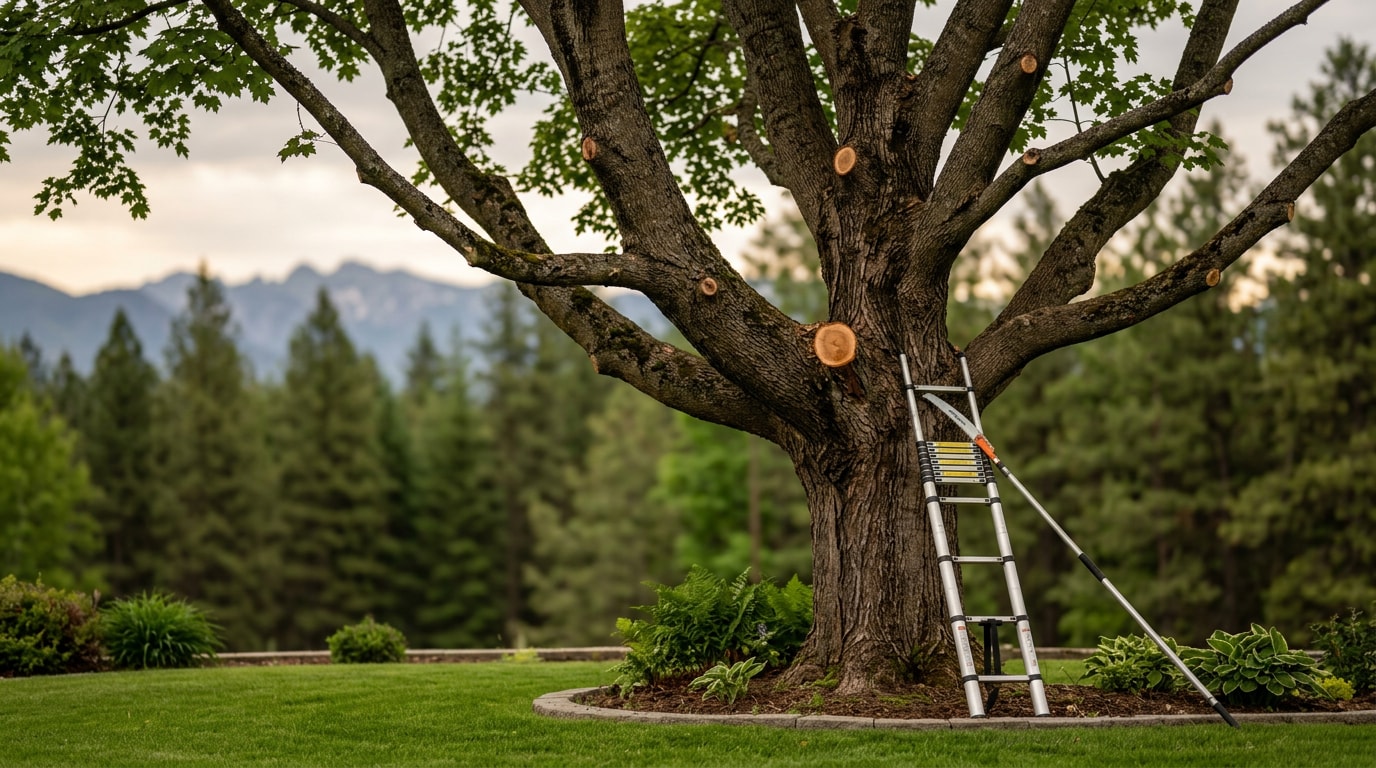
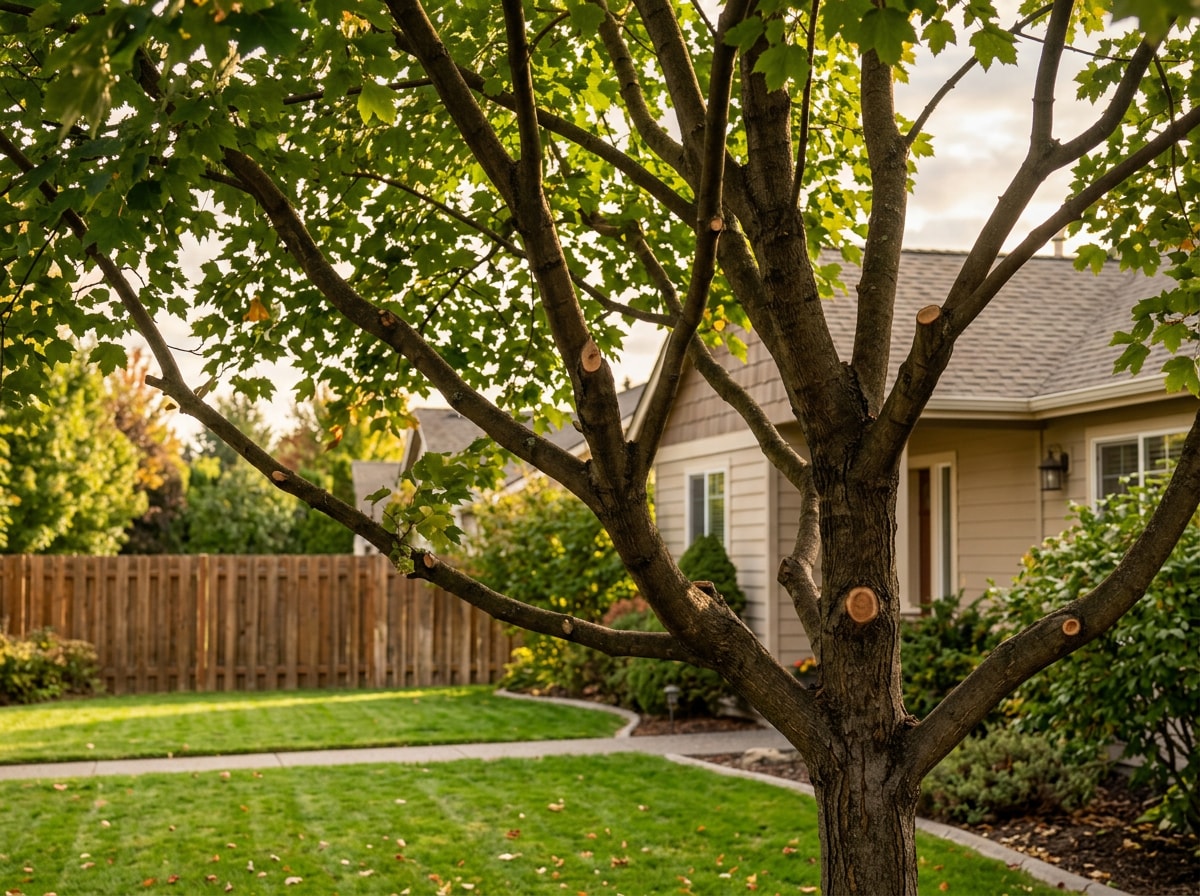
Trimming and tree pruning both describe cutting back limbs, but they serve different goals. Trimming generally shapes a tree's appearance and controls size. Pruning targets specific branches for health reasons, like removing deadwood or improving structure.
In Post Falls, canopy thinning before winter reduces the surface area that catches snow and ice, which lowers the odds of a split trunk or snapped limb. In our crews' experience, properties that schedule canopy thinning before the season's first heavy snow load see noticeably fewer emergency branch-failure calls than properties that wait. Routine tree trimming also opens up sightlines and keeps limbs clear of rooflines, power lines, and fences.
Tree Removal & Hazardous Tree Removal
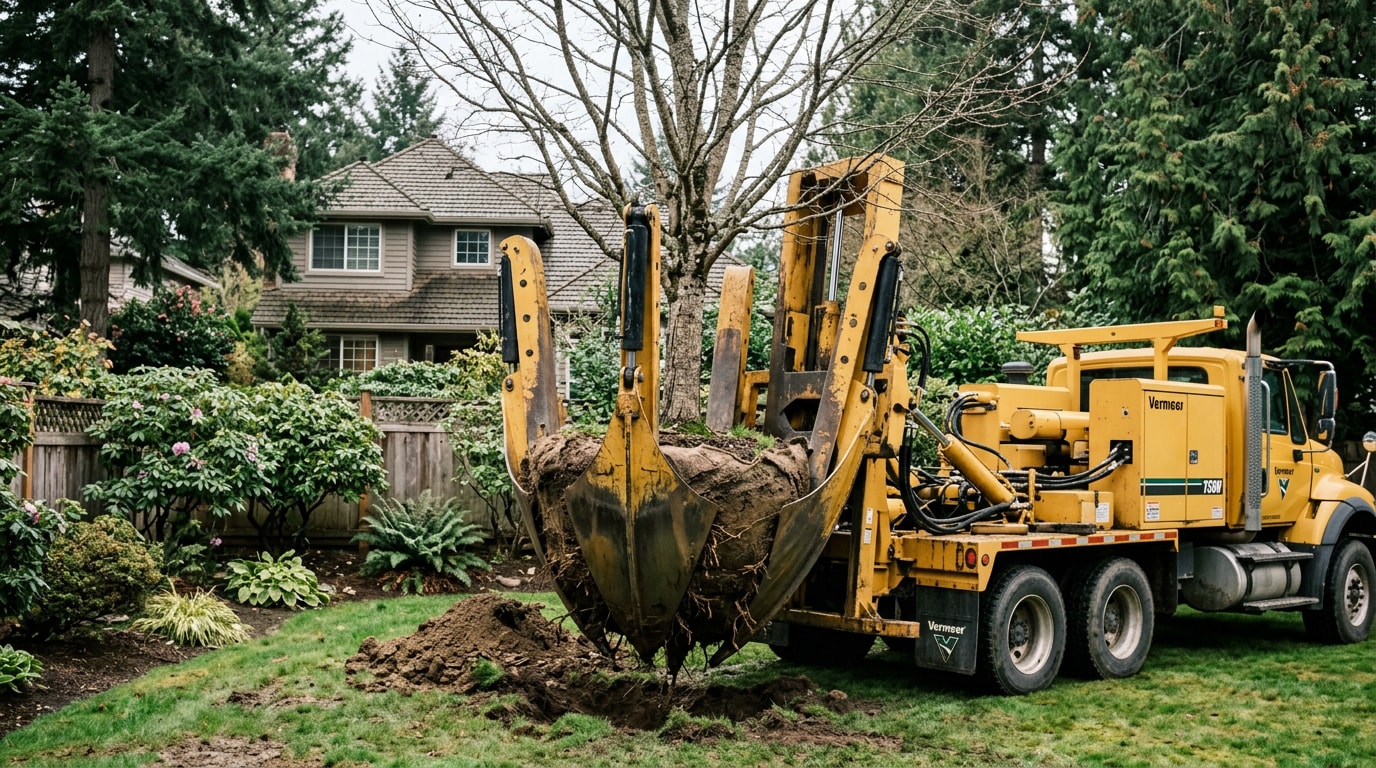
Sometimes trimming isn't enough. Dead, diseased, or storm-damaged trees, especially ones leaning toward a structure, fence, or driveway, usually call for full tree removal rather than selective cutting.
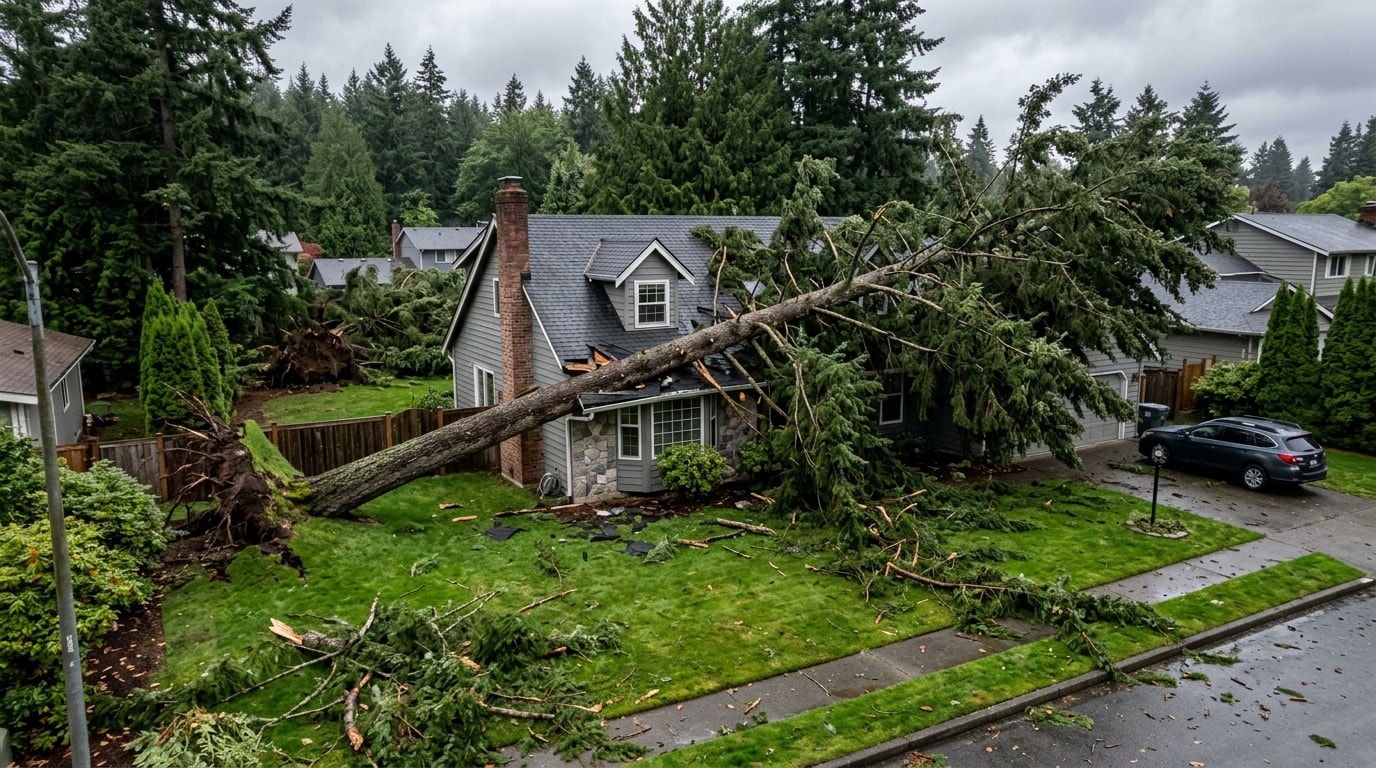
Hazard tree removal requires careful planning. A crew has to account for nearby utility lines, buildings, and fall zones before making the first cut. If a tree comes down unexpectedly in a windstorm, emergency tree removal handles the cleanup and any remaining hazard before it causes further damage. Standing dead trees that haven't fallen yet still need attention; our dead tree removal team handles those before they become a bigger problem. Many homeowners in this part of Post Falls also want to know the early warning signs before calling anyone, which our guide on emergency tree trimming in Post Falls covers in detail.
What Tree Trimming Costs in Post Falls, ID (2026)
Tree trimming cost in Post Falls depends on tree size, how many trees need work, and how easily a crew can access them. A single ornamental tree costs far less to trim than a mature tree growing next to a fence line and overhead wires.
| Tree Size | Typical Height | General Trimming Cost Range* |
|---|---|---|
| Small | Under 20 ft | $150 to $450 |
| Medium | 20 to 40 ft | $350 to $900 |
| Large | Over 40 ft | $800 to $1,800+ |
*Ranges are general estimates for the Pacific Northwest and vary with access, tree condition, and the number of trees on a property. They are not a quote.
A few things that move the price:
- Access – trees near a roof, fence, or power line need extra caution and sometimes a second crew member.
- Equipment – medium and large trees often require rigging or a bucket truck, which adds labor hours.
- Multiple trees – properties with several trees often get a modest per-tree discount since the crew is already set up on-site.
- Removal vs. trimming – full removal costs more than trimming at every size, since it includes cutting the trunk, grinding the stump, and hauling debris. If a stump is left behind, stump removal is typically priced separately.
Because every yard is different, the fastest way to get an accurate number is a walkthrough quote. Request a free estimate rather than relying on averages alone.
The Tree Trimming Process: What to Expect
A professional visit follows a predictable sequence. Knowing the steps makes it easier to compare quotes and ask good questions.
- Initial assessment. The crew walks the property, checks for dead or cracked limbs, assesses overall tree health, and decides whether trimming or tree assessment for a fuller health consultation makes more sense.
- Mapping the work area. The arborist notes nearby power lines, fences, and structures so the plan accounts for them before any cutting starts.
- Cutting. Branches are removed according to accepted pruning standards, not just hacked back for looks.
- Cleanup and haul-away. Debris, brush, and limbs are cleared from the property before the crew leaves.
Timing matters too. Many deciduous species respond best to pruning during dormancy. The University of Idaho Extension forestry program publishes species-specific guidance for homeowners who want more detail on when and how much to cut. A thorough inspection should always come before a saw touches a branch, not after a price is agreed on.
Benefits of Regular Tree Trimming
Trees that get trimmed on a regular schedule tend to stay healthier and live longer, since removing dead or crowded limbs lets a tree direct energy toward strong new growth.
- Safety – reduces wind-load stress, eliminates deadwood that can snap without warning, and lets an arborist spot structural weak points like included bark or co-dominant stems before they fail.
- Property value – well-maintained trees generally make a property look better cared for.
- Storm resilience – a dense, untrimmed canopy acts like a sail during a North Idaho windstorm, putting extra strain on branch unions that may already be weak.
Proper pruning cuts, made according to accepted industry standards, help a tree heal cleanly instead of leaving an open wound that invites decay. The ANSI A300 pruning standards maintained by the Tree Care Industry Association outline the accepted practices professional crews follow. If a tree looks structurally sound but you're not sure, a tree health consultation can confirm whether trimming alone will fix it.
Service Areas Near Post Falls, ID
"Tree trimming near me" searches in this part of North Idaho typically cover Post Falls proper along with nearby Kootenai County communities, since most crews serving the area aren't limited to a single zip code. Coverage commonly extends toward Coeur d'Alene, Spokane, and Spokane Valley.
One detail worth knowing: some HOA-governed subdivisions in Post Falls have their own rules about tree removal or trimming visibility. The city's own Urban Forestry Division also maintains standards for trees along public right-of-way, so it's worth checking both HOA guidelines and city requirements before scheduling major work. If a storm has already brought branches or a whole tree down, storm tree cleanup can clear the hazard fast. You can see recent completed work on our projects page or learn more about the full range of tree service options we offer.
Visit CDA Tree & Utility to see everything we handle across North Idaho and the Spokane area, or head straight to our arborist services page for health and hazard assessments.
FAQ
How much does tree trimming cost in Post Falls, ID?
Small trees under 20 feet generally run $150 to $450, medium trees run $350 to $900, and large trees can run $800 to $1,800 or more. Access, tree condition, and the number of trees on the property all affect the final number, so a walkthrough quote is the only way to get an exact figure.
Do I need a permit to remove a tree in Post Falls?
It depends on the tree's location and whether the property sits in an HOA-governed subdivision. Trees on public right-of-way or those managed by the city's Urban Forestry Division may require approval. A reputable tree service should confirm local requirements before starting work rather than assuming none apply.
What's the difference between tree trimming and tree pruning?
Trimming generally shapes a tree's appearance and controls its size. Pruning targets specific branches for health reasons, such as removing deadwood, correcting structure, or addressing disease. In practice, most professional visits involve a mix of both.
What is the best time of year to trim trees?
Late winter, while most trees are still dormant, is generally best for major pruning, since the tree hasn't broken bud yet and wounds heal faster once spring growth starts. Dead, broken, or hazardous limbs can and should be removed any time of year rather than waiting for the ideal season.
How often should trees be trimmed?
Most mature trees do well with trimming every two to three years. Younger trees often benefit from lighter, more frequent trimming to establish good structure early. The right schedule depends on species, growth rate, and site conditions.
What areas near Post Falls do you serve?
Coverage generally includes Post Falls and nearby North Idaho communities throughout Kootenai County, plus Coeur d'Alene, Spokane, and Spokane Valley. See the service areas section above for a fuller picture of coverage near your property.
Do you handle storm cleanup after a tree falls?
Yes. Storm tree cleanup covers everything from downed limbs to a fully toppled tree. If a storm has left hazardous debris on your property, reach out through the contact page to request emergency support.